.png)
Brain Fog, Joint Pain, and Itchy Skin: The Menopause Symptoms No One Tells You About

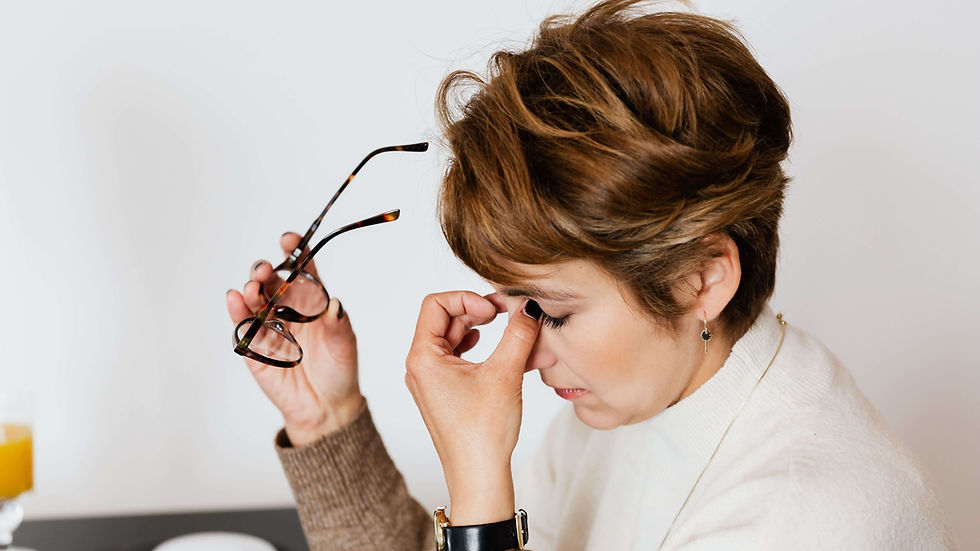
Hot flushes and irregular periods are common complaints during menopause. They’re the symptoms most women know to expect. What’s less talked about is the itchy skin, aching joints, and brain fog that can accompany fluctuating hormone levels.
Menopause can cause a whole range of symptoms beyond the most well-known. These symptoms may begin years before your periods finally stop. They can develop gradually as hormone levels fluctuate and change over time.
It’s important not to attribute every symptom during this period to perimenopause. Understanding the symptoms can help you distinguish between typical changes and something that needs closer attention.
In this article we'll cover:
What Are the Most Common Signs of Perimenopause and Menopause?
Perimenopause is the transition leading up to menopause, when hormone levels fluctuate and periods may change. Menopause is reached after 12 months without a period.
Stage | What it means | Good to know |
Perimenopause | The transition leading up to menopause, when hormone levels fluctuate and periods may change. | Symptoms may begin years before your periods finally stop. |
Menopause | Reached after 12 months without a period. | The NHS says symptoms usually last seven to nine years. |
Early menopause | Menopause before the age of 45. | Speak to a clinician if you suspect menopause before 45. |
Premature menopause | Menopause before the age of 40. | FSH testing may be considered in some younger people if a clinician suspects early menopause. |
During perimenopause, it’s normal to experience:
hot flushes
changing periods
night sweats
sleep disruption
vaginal dryness
Many of these symptoms are linked to changing oestrogen levels. Because oestrogen is involved in numerous bodily systems, women can experience a far greater range of symptoms.
The Less Talked About Menopause Symptoms
Hot flushes and changing periods tend to get most of the attention. Yet perimenopause and menopause can affect other parts of your body in ways you might not immediately connect with changing hormones:
Heart palpitations: You may become more aware of your heartbeat or feel it racing, sometimes alongside a hot flush.
Reduced libido: Changes in sexual desire can occur, particularly if poor sleep or vaginal discomfort is also affecting you.
Urinary symptoms: You might need to urinate more often, feel greater urgency, or experience symptoms that feel like a urinary tract infection.
Headaches: Existing headaches or migraines may become more troublesome.
Mouth and gum changes: Some people notice sensitive teeth, sore gums, or other changes in their mouth.
Aching joints, dry or itchy skin, and difficulty concentrating can also be part of the picture. We’ll look at these symptoms more closely below. None is unique to menopause, so speak to a clinician if a symptom is new, persistent, or worrying you.

Physical Changes: Joint Pain, Itchy Skin, Weight Changes, and Hair Thinning
Many symptoms change over time. Physical changes can be particularly unsettling and may make it feel as though your body is failing.
Dry or itchy skin, thinning hair, and weight changes are not uncommon during perimenopause. Falling oestrogen levels can contribute to skin dryness, although changes to your skin and hair may have other causes.
Weight gain often occurs around the middle. Hormone replacement therapy (HRT) is not a weight-loss treatment, and managing weight may involve changes to diet and activity.
Joint and muscle aches are also common. You may notice general soreness and discomfort in one or several joints. It’s worth speaking to your doctor, as these symptoms can overlap with osteoarthritis.
Cognitive Symptoms: Brain Fog, Memory Problems, and Fatigue
Oestrogen plays a role in brain function, including memory and concentration. Losing a train of thought, struggling to concentrate, or forgetting familiar words can be one of the most frustrating parts of perimenopause.
Poor sleep can make it worse, although it may not fully explain the symptoms. If brain fog is affecting your work or daily life, your GP can discuss ways to help.
Fatigue can occur in many conditions. Persistent fatigue is worth discussing with a clinician to check for other possible causes.
Emotional Changes: Anxiety, Irritability, and Mood Swings
Changes in oestrogen levels can affect mood during the menstrual cycle and pregnancy. The same is true during perimenopause. Women often describe feeling irritable or anxious, experiencing low mood, or simply struggling to cope.
As with cognitive symptoms, poor sleep can have an impact. Other symptoms can also wear a person down and make normal activities feel difficult.
How Long Do Menopause Symptoms Last?
There is no fixed timeline.
Some women have barely any symptoms during the transition; others can experience symptoms for a decade or more.
The NHS says symptoms usually last seven to nine years. However, they are rarely static during this time. Joint pain, vaginal dryness, and cognitive symptoms can fluctuate in severity. Menopause is not the only factor: diet, stress, exercise, and other lifestyle factors can also influence your experience.
Ways to Manage and Relieve Menopause Symptoms
Focus on what bothers you most. A regular sleep routine and a cooler bedroom may help with night sweats, while exercise can support mood, strength, and joint health. Moisturiser may ease dry, itchy skin.
If symptoms are affecting your daily life, speak to a clinician about treatment. Options include hormone replacement therapy (HRT), menopause-specific cognitive behavioural therapy (CBT), and moisturisers or vaginal oestrogen for vaginal dryness. What suits you depends on your symptoms, medical history, and preferences.
Persistent fatigue should not automatically be put down to menopause. Heavier periods can contribute to iron deficiency, so ask whether this needs checking. You can also read Health Klinix’s guide to iron deficiency symptoms.
How to Talk to Your Doctor About Menopause Symptoms
Menopause symptoms can feel random and unrelated. That’s because oestrogen affects numerous parts of your body. If you’re planning to speak to your GP, it can help to keep a brief record of period changes, symptoms, sleep, contraception, and effects on your daily life.

Your GP can use your record to assess your symptoms and consider potential treatments. You’ll also want to ask a few concrete questions.
These could include:
“Could these symptoms be related to perimenopause, or should we check for another cause?”
“Which treatments might help my most troublesome symptoms?”
“What are the benefits and risks of HRT for me?”
“Do I need any tests, and what would the results change?”
“When should we review whether the treatment is helping?”
HRT is not right for everyone, and its benefits and risks depend on your circumstances. Changes in diet and lifestyle may help, or a more targeted approach may be beneficial.
Discuss your options with a clinician before making a decision.
Can a Clinician Use Tests to Confirm Menopause?
In otherwise healthy people aged 45 or over, perimenopause or menopause is generally identified from symptoms and menstrual history without routine hormone tests. FSH testing may be considered in some younger people if a clinician suspects early menopause.
A broader health evaluation may still be useful if you’re experiencing an unusual collection of symptoms.
Health Klinix offers a menopause blood test that measures reproductive hormones and thyroid function markers. A Well Woman Check is another option, covering a broader range of health markers. These results can help a clinician investigate other possible causes of your symptoms and decide on the next steps. They cannot, on their own, confirm menopause or rule out every other condition, but may provide useful reassurance.
Your Menopause Symptom Questions Answered
What Early Symptoms Might Appear in Your 30s or 40s?
Early menopause occurs before 45; menopause before 40 is considered premature. You may notice changes in periods, sleep disruption, hot flushes, and low mood. Speak to a clinician if you suspect menopause before 45.
What Is the Difference Between Perimenopause and Menopause Symptoms?
Perimenopause and menopause symptoms overlap significantly. The main difference is the timing. Perimenopause is the transition when your periods may change. Menopause is reached after 12 months without a period.
Why Do Hot Flushes and Night Sweats Happen?
Changing hormone levels, especially oestrogen, affect how your body regulates its temperature. This can cause sudden episodes of heat and sweating during the day (hot flushes) or at night (night sweats).
Which Symptoms Need Prompt Medical Attention?
Palpitations with chest pain, fainting, or severe breathlessness should not be attributed to menopause. Call 999 for immediate help. Any bleeding after menopause should also be checked by a GP.
Could My Symptoms Be Caused by a Thyroid Problem Instead?
It’s possible. Fatigue, weight changes, and mood symptoms can occur with both thyroid problems and menopause. Your doctor may recommend a thyroid blood test if appropriate. Read more about thyroid symptoms.
References
Written by:
Dr Joseph Nightingale, MBBS, MSc
Approved by:
Consultant in Infectious Diseases and Travel Medicine
MBBS, MRCP(UK), DTM&H, MRCGP, DCH, DRCOG, DFFP


Comments